
Protecting Your Vehicle: Why Accreditation and Local Fitting Matter
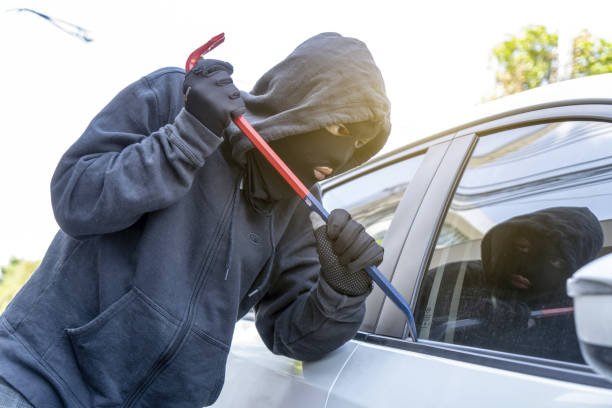
car theft - thief trying to break into the vehicle
Rising automotive crime rates across metropolitan and suburban areas have prompted motorists to drastically re-evaluate their vehicle protection strategies. For owners of luxury SUVs, performance sports cars, and highly targeted keyless entry models, standard factory alarms no longer offer adequate defense against highly organized criminal syndicates. In response to this epidemic, both vehicle owners and automotive insurers increasingly demand certified secondary immobilisation systems to mitigate total-loss claims and ensure true peace of mind.
Understanding the Role of Certification in Vehicle Defense
Governing bodies for vehicle security testing and certification are crucial in establishing trust in aftermarket products. The Tracking and Aftermarket Security System Association (TASSA) leads this charge in the UK. Before secondary immobilisation systems can earn industry-wide recognition, they must pass rigorous independent testing to prove they withstand sophisticated physical and electronic bypass methods. Investing in a certified TASSA approved immobiliser ensures your vehicle meets these exacting high standards, providing a verified barrier against theft.
| Feature | Certified System | Uncertified System
|
|---|---|---|
| Insurance Recognition | Often required for high-value vehicles; yields premium discounts | Rarely recognized; no impact on premiums |
| Testing Standards | Rigorous electronic & physical penetration tests | No formal independent testing or validation |
| Database Registration | Logged on national secure databases for police access | Anonymous installation |
The Hidden Risks of Poor Installation
A security device is only as effective as the technician who installs it. Amateurs or unaccredited installers often tap into incorrect wiring, leading to severe electrical faults, drained batteries, or voided vehicle warranties. Furthermore, lazy installations leave the main control unit easily accessible under the dashboard, allowing thieves to find and remove it in seconds.
Evaluating an Installation Specialist
Selecting the right hardware is only half of the equation; installation quality determines whether a security device functions reliably or can be discovered by a prepared thief. When searching for a qualified Ghost immobiliser installer near me, focus on specific service benchmarks rather than simply looking for the lowest price point. Look for comprehensive diagnostics, deep wiring integration, and a thorough handover process to ensure you are fully protected.
Article 3: Comprehensive Defense Strategies for Modern Motorists
The automotive security landscape has evolved rapidly over the last decade. As manufacturers introduce more digital conveniences, criminals develop new digital exploits. The cat-and-mouse game between automakers and thieves is constant. Securing a modern vehicle requires a multi-layered approach that addresses both the prevention of initial theft and the rapid recovery of the vehicle if it is somehow moved. This dual-layered philosophy is the core essence of modern Ghost car security.
The Limitations of Factory Security Systems
Most factory-fitted security systems share common architectures across thousands, if not millions, of vehicles. This uniformity makes them predictable targets for organized crime syndicates. Once a vulnerability is discovered in a specific vehicle model’s security software, that method is quickly shared on the dark web and exploited widely. Thieves practice bypassing these exact systems until they can do it blindfolded.
Building an Unbreakable Digital Wall
The primary goal of digital immobilisation is to render the vehicle completely inoperable without the explicit authorization of the owner, regardless of whether the thief possesses the physical key. By utilizing the vehicle’s existing CAN bus network and requiring a custom PIN code entered through dashboard or steering wheel buttons, the security system remains entirely hidden and completely secure against RF cloning.
Adding a Critical Recovery Layer
While preventing the engine from starting is the primary goal, comprehensive security also includes contingency plans for edge cases, such as the vehicle being towed. Integrating a covert Ghost tracker provides a vital recovery mechanism should the vehicle be lifted onto a flatbed truck.
- VHF Technology: Resistant to GPS/GSM signal jammers commonly used by professional thieves to block standard tracking signals.
- Mesh Networks: Utilizes network infrastructure independent of standard cellular towers to communicate location data.
- Covert Placement: Installed in highly unpredictable locations within the vehicle chassis to prevent rapid discovery and removal by criminals.
- 24/7 Monitoring: Backed by dedicated control rooms that liaise directly with local police forces for immediate dispatch.


