
Top Sports Updates: A Look at Recent Developments in Indian Cricket, Badminton, and International Football
Auqib Nabi’s Inclusion in India’s Test Squad
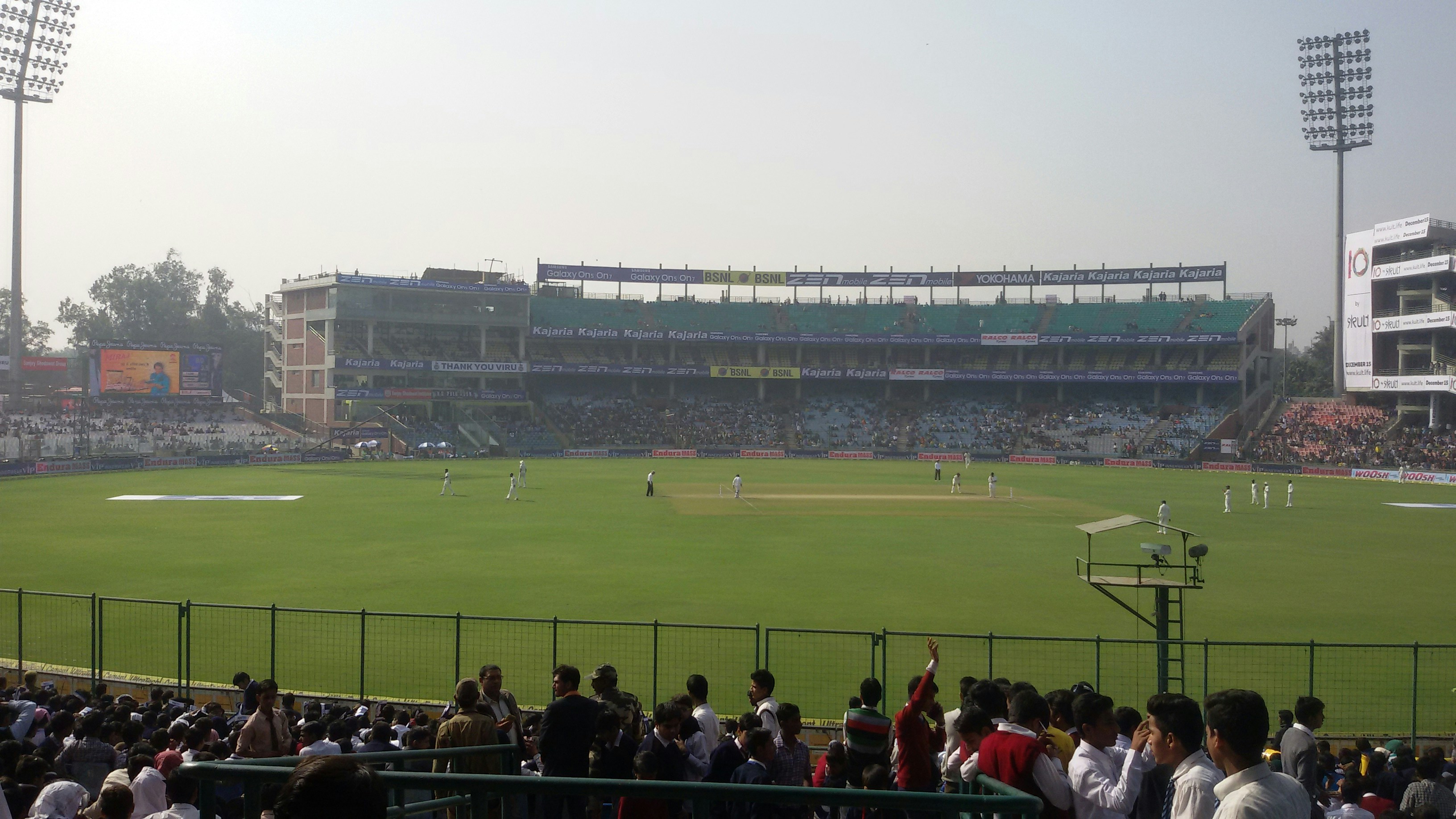
The recent announcement by the Indian cricket selectors to include Jammu and Kashmir fast bowler Auqib Nabi in the national Test squad has garnered significant attention. This decision comes as a response to the injury sustained by Jasprit Bumrah, who has been ruled out of the upcoming series against Sri Lanka. With Bumrah’s absence being felt deeply, Nabi’s selection serves as an important move not only to bolster the bowling attack but also to inject fresh talent into the team.
During the domestic cricket season, Nabi has displayed impressive performances, showcasing his capabilities as a promising fast bowler. His ability to deliver consistent pace coupled with his knack for taking crucial wickets has made him a standout performer. Over the past several matches, Nabi has been instrumental in leading his team to victory and has often been commended for his resilience and determination on the field. These qualities likely contributed to the selectors’ decision, as they seek to maintain a strong bowling lineup in the face of Bumrah’s setback.
The injury to Jasprit Bumrah has raised concerns regarding his fitness and availability for international matches, making Nabi’s inclusion all the more significant. As the Indian team gears up for the Sri Lanka series, the selectors are hopeful that Nabi can step into this challenging role and make a substantial impact. The experience of competing at the Test level will not only benefit Nabi’s career but also provide the Indian side with an opportunity to assess new talent ahead of future tours and competitions.
Tanvi Sharma’s Triumph at the Taipei Open
In a remarkable turn of events in the world of badminton, Indian player Tanvi Sharma has made headlines with her historic victory at the Taipei Open. Competing against high-caliber opponents, Sharma displayed exceptional skill, resilience, and strategic prowess throughout the tournament, ultimately securing a well-deserved championship title. This win marks not only a significant milestone in her professional career but also represents a broader achievement for Indian badminton on the global stage.
Sharma’s journey to the top of the podium at the Taipei Open was characterized by impressive performances that showcased her development as a player. Each match intensified, with Sharma’s tactical adjustments and relentless training evident in her style of play. The final showdown highlighted her ability to remain composed under pressure, as she executed critical shots to seal her victory. Experts and fans alike have noted that her performance was not merely a result of physical ability, but also reflected her mental fortitude and strategic approach to the game.
The implications of this triumph extend beyond personal accolades for Tanvi Sharma. Her success at the Taipei Open serves as an inspiration for burgeoning badminton players in India and uplifted the visibility of the sport within the country. With increasing recognition, the Indian badminton community is poised to gain momentum as Sharma’s achievement highlights the potential of players emerging from India. In this context, her victory can be seen as a significant pivot that could encourage greater investment in training programs and facilities, potentially leading to enhanced performance at international competitions.
As Sharma continues to build on this achievement, the badminton world eagerly anticipates her future endeavors, hoping that her triumph at the Taipei Open marks the beginning of a new chapter for Indian badminton on the global stage.
Pakistan vs West Indies Second Test Update
The ongoing second Test match between Pakistan and West Indies has progressed into an exciting display of cricket, showcasing the talents of both teams on a competitive stage. As the match unfolds, Pakistan holds a significant lead with their current score standing at 359 runs for the loss of 6 wickets, after resuming their first innings. This puts Pakistan in a commanding position as the West Indies struggle to contain their aggressive batting.
Prominent performances have been noted from several key players on the Pakistani side. Captain Babar Azam has led from the front with an impressive century, marking his 12th Test hundred, while veteran batsman Azhar Ali has also contributed significantly, scoring a resilient 88 runs. Their partnership not only showcased individual skill but also formed a crucial foundation for the innings, aiding Pakistan in building a substantial total.
On the bowling front, West Indies have encountered challenges in breaking through the disciplined Pakistani batting lineup. However, Jason Holder and Alzarri Joseph have managed to claim a couple of early breakthroughs, but they require consistent wickets to change the course of the game. The pitch conditions appear to favour run-scoring, thus adding pressure on the West Indies bowling attack to deliver and restrict Pakistan from escalating their total further.
Looking ahead, the implications of the match results are vital for both teams in the context of the series. Should Pakistan secure a victory, they will take an unbeatable lead, while the West Indies face the prospect of a series defeat if they cannot make significant inroads in Pakistan’s batting. As the match progresses, fans are eager to see how these dynamics evolve, reflecting the high stakes involved in international Test cricket.
Rising Tensions Between UEFA and FIFA
The ongoing tensions between UEFA (the Union of European Football Associations) and FIFA (the Fédération Internationale de Football Association) have become increasingly prominent in the world of international football. These tensions stem from various factors, particularly governance issues, competitive scheduling, and disagreements over the future of global tournaments.
One of the key areas of dispute involves governance and the authority each organization holds within the realm of international football. UEFA, primarily focused on European football leagues and competitions, has expressed frustration over FIFA’s attempts to impose regulations and guidelines that may not align with European interests. This conflict raises serious questions about the balance of power in the sport, and whether FIFA should exert influence over decisions that affect European clubs and national teams.
Another significant point of contention is competition scheduling. FIFA’s ambitious plans to increase the frequency of international tournaments, such as the World Cup, have raised alarm bells among European leagues, which often find their calendars disrupted. Clubs depend on their star players to compete in domestic leagues, yet FIFA’s expanded tournament schedules may lead to player fatigue and diminish the quality of the league competitions. This has created a rift between UEFA, which seeks to protect its domestic leagues, and FIFA, which is keen on promoting global football.
The growing rivalry also impacts the future of tournaments, such as the UEFA European Championship and the FIFA World Cup. As both organizations assert their agendas, it is increasingly likely that football stakeholders will experience greater uncertainty, potentially affecting tournament participation and funding. The situation warrants close attention, as the decisions made by these two powerful governing bodies will shape the landscape of international football for years to come.


